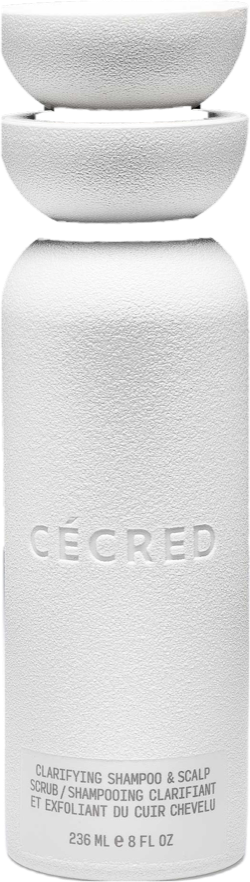
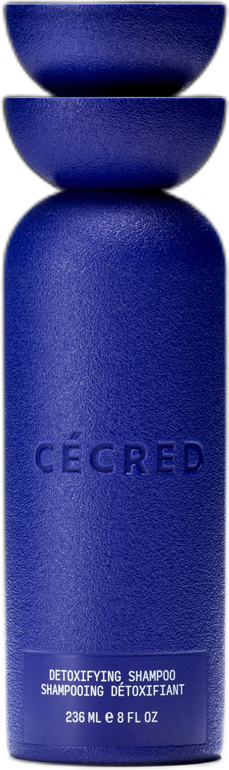
Know what your hair needs before you buy anything.
Most product regret comes from guessing. Most people guess, and then they buy the wrong thing. This takes ten seconds and one strand, on your next wash day.
MY WASH DAY
STEP 1 OF 3
Take one wet strand.
On wash day, take a strand that has already shed. Keep it wet.
Fair reading: test on clean, wet hair, before any product goes on.
MY WASH DAY
STEP 2 OF 3
Hold both ends.
Pinch it between your thumbs and first fingers, about two inches apart.
Fair reading: test three or four strands from different areas: crown, nape, hairline.
STRETCH, THEN LET GO
STEP 3 OF 3
Stretch it. Gently.
Pull slowly, then let go and watch what the strand does. That's the whole test.
Fair reading: colored, relaxed or heat styled lengths can read differently from new growth.
CHAPTER 2
What did your strand do?
Tap the one that matches. You'll get what it means, what to use, how often, and what to stop doing.
Read your result
My strand…
Result one
Protein.
It stretched and stayed stretched. The structure needs support.
You may also notice
Hair feels limp, mushy or overly soft when wet
Curls or waves that won't hold their shape
Lengths that have been lightened, relaxed or heat styled often
How often
Strengthen when the hair needs it, not on autopilot. Retest before each treatment, and follow every strengthening step with conditioner.
What to stop
Deep conditioner and leave ins every wash with no strengthening step
Leaving masks on overnight
Rough handling while hair is wet, when it is weakest
What to use
A protein treatment, then a conditioner.
Any brand. Look for hydrolyzed or fermented protein: small pieces of protein that fill in what the hair has lost. Whatever you choose, a conditioner goes on after it. Every time.
What I use, and why
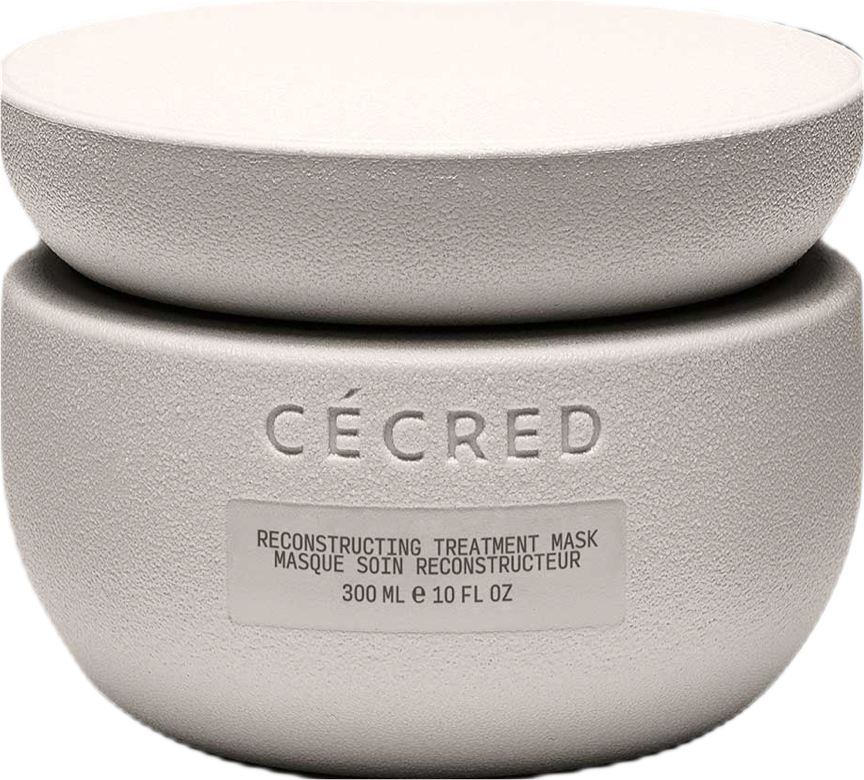
Cécred Reconstructing Treatment Mask
Protein gets a bad name from treatments that leave hair hard and stiff. In my experience that comes down to the kind of protein and its size. This mask is powered by Cécred's Bioactive Keratin Ferment: lactobacillus, hydrolyzed wool keratin and honey. Cécred says fermentation makes the keratin small enough to reach the cortex, where it replaces protein the hair has lost. Support from the inside, with softness built in.
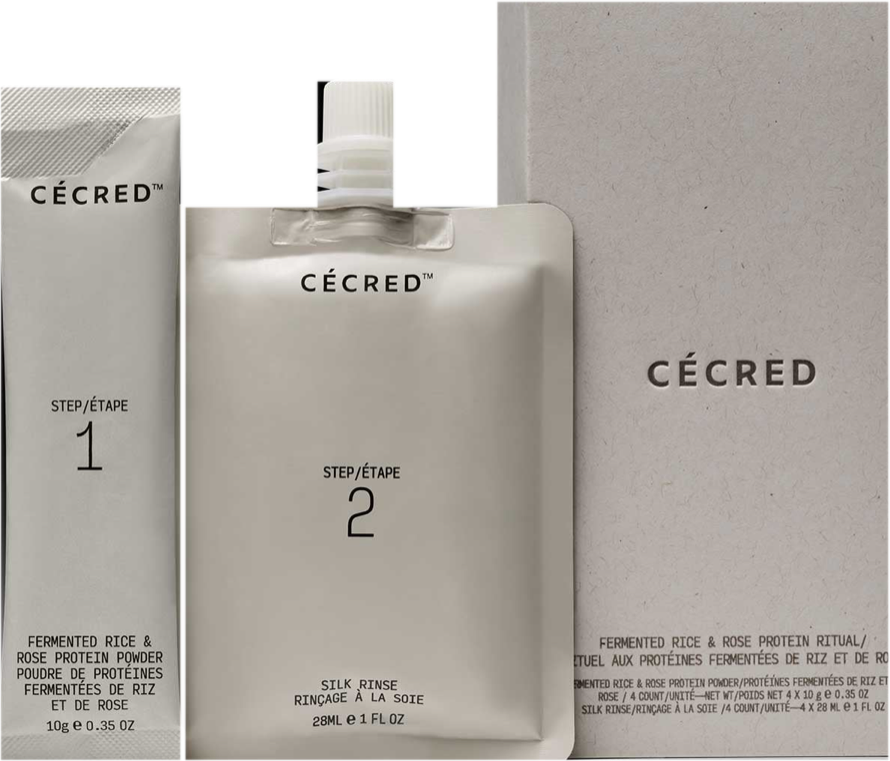
Every four to six weeks. It uses fermented rice protein, not the keratin ferment. Hair feels firm after step one; the Silk Rinse and your conditioner bring the softness back, so never skip them.
Buildup can make hair feel dry even when it isn't. If products have stopped working, clarify first, then retest.
Result three
Balanced.
It stretched a little and bounced back. That is healthy elasticity. Protect it.
Keep doing
What works. Your job now is to hold the balance, not to add more.
Retest when
You get a new color service
The season changes
You start a new routine
A protective style comes out
The rule
Every strengthening step gets a conditioner after it. Every time.
A quick check, not a diagnosis.
CHAPTER 3
"I use a bond builder. Isn't that my protein?"
No. People ask me this every week. They work on different parts of the hair, and one does not replace the other.
Bond builders
The links
The links that hold the hair's inner structure together. Bleach, color, relaxers and heat break them.
Olaplex says its active finds broken disulfide bonds and links them back together. K18 says its peptide fits into the keratin chains and reconnects the broken ones.
Protein
The material
Hair is made of keratin, and damaged hair has lost some of it. Hydrolyzed and fermented proteins are small pieces that fill in what is missing.
They wash out over time, so this is upkeep, not a one time fix.
Think of a ladder. Bond builders work on the rungs. Protein is the wood. Fix one and ignore the other, and it still wobbles.
How I use them
If your bond builder has no protein in the traditional sense, like Olaplex No.3 or K18, your hair still needs protein support. Keep both.
Bond builder around chemical services and heavy heat. Protein on the schedule your strand test gives you.
They support each other. Neither one replaces the other, and neither one replaces moisture.
How each product works is described here the way its maker describes it. Independent chemists still debate how much true bond repair happens. What I can tell you is what I see behind the chair: hair does best with both kinds of support.
CHAPTER 4
Strengthen, then balance.
Your hair's need state changes, and your routine should change with it. This is the rhythm I give my clients. Retest before each treatment.
The rhythm
Clarify based on how much product you use.
Detox less often than you clarify.
Strengthen when the hair needs it.
Deep condition more than you strengthen.
Next guide
The Wash Day Playbook
How often to wash, how to reset, and what order everything goes in.
I don't recommend products until someone knows what they're trying to fix. You do now. Each one is listed by what it is first, then what I use. Tap any one to shop it with my code already applied.
Every link applies my code, THEBRANDONEXPERIENCE: $10 off your first order, free shipping over $50. I'm a Cécred Pro affiliate and earn a commission when you use it. I only list what I use on myself and behind the chair. You don't need all of it. Pick the one that matches your result.
Not a Cécred person?
The type matters more than the name.
Everything in this guide works with the brand already in your shower. Match the type, read what it's for, and use it the way the steps say. My other picks, across brands, live here:
Shedding and thinning are a different conversation.
The strand test tells you how your hair fiber is behaving. It can't tell you why hair is shedding or thinning. More hair in the drain for more than a few weeks, a widening part, thinning edges, or a scalp that itches, flakes or hurts: that's not a product problem. That's a consultation. I see clients in Mayfield Heights and Rocky River, Ohio.
It works like an app, with nothing to download. On iPhone: tap Share, then Add to Home Screen. On Android: tap the menu, then Add to Home screen. Your place in the steps is saved on your phone.